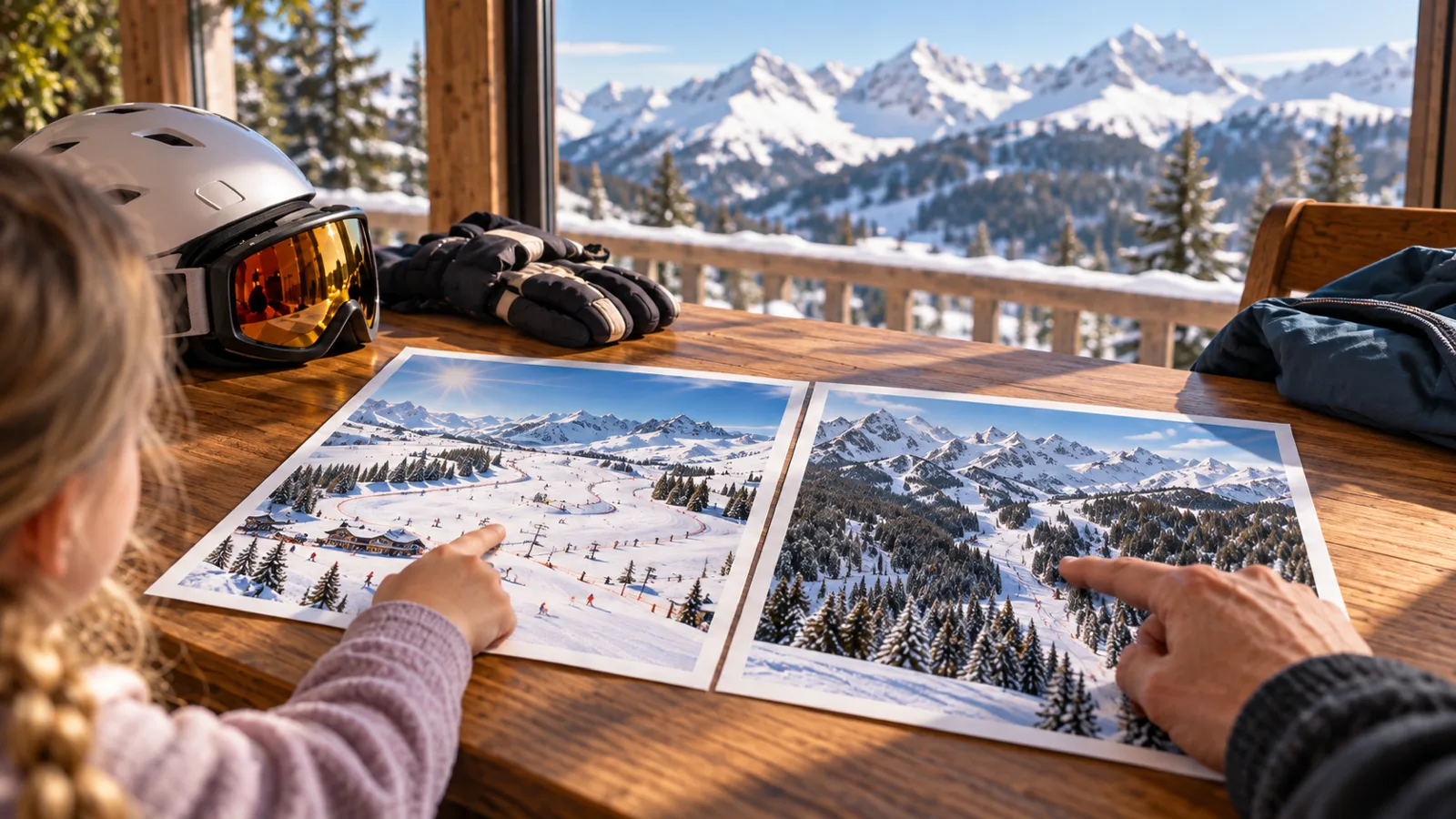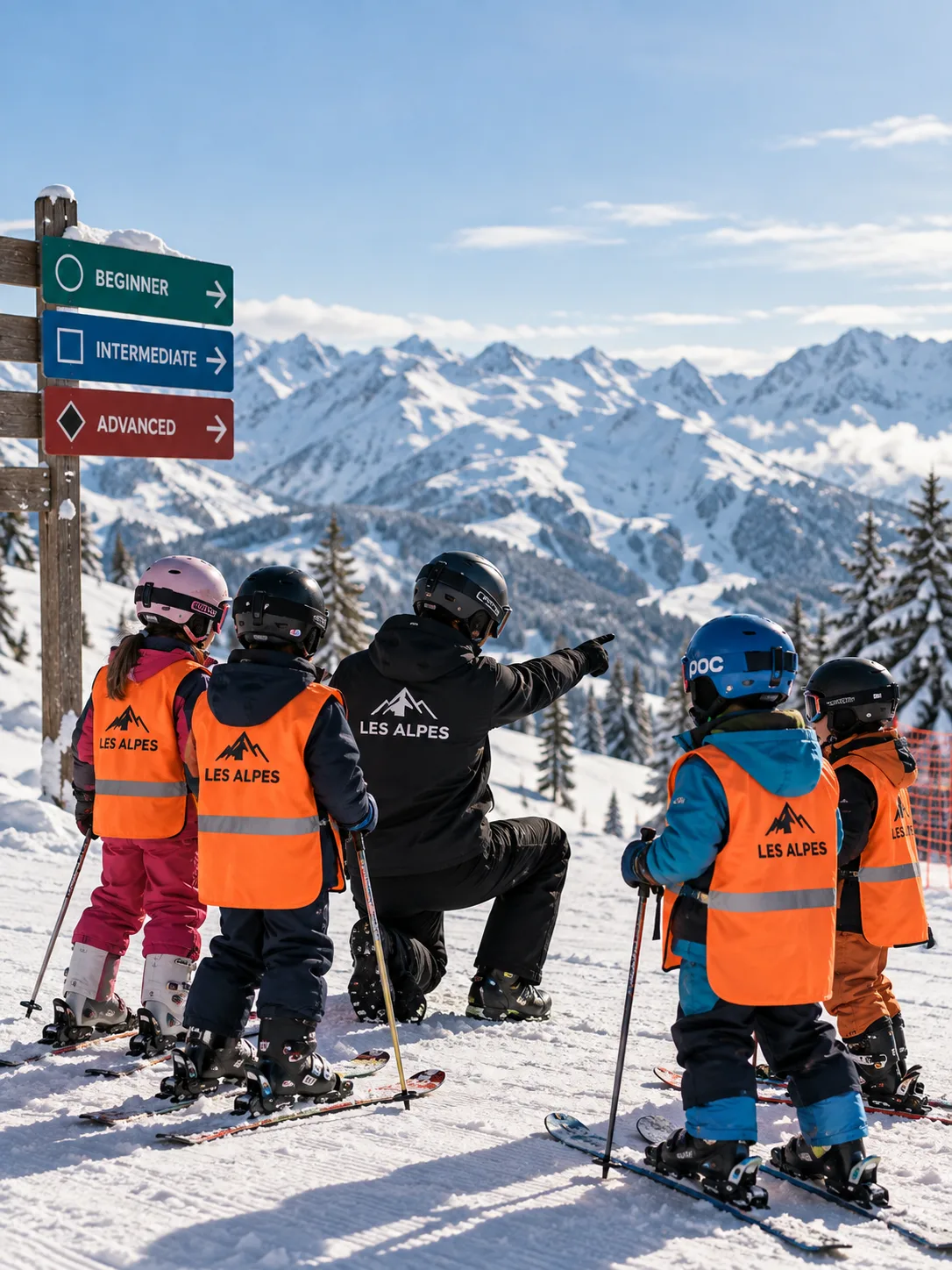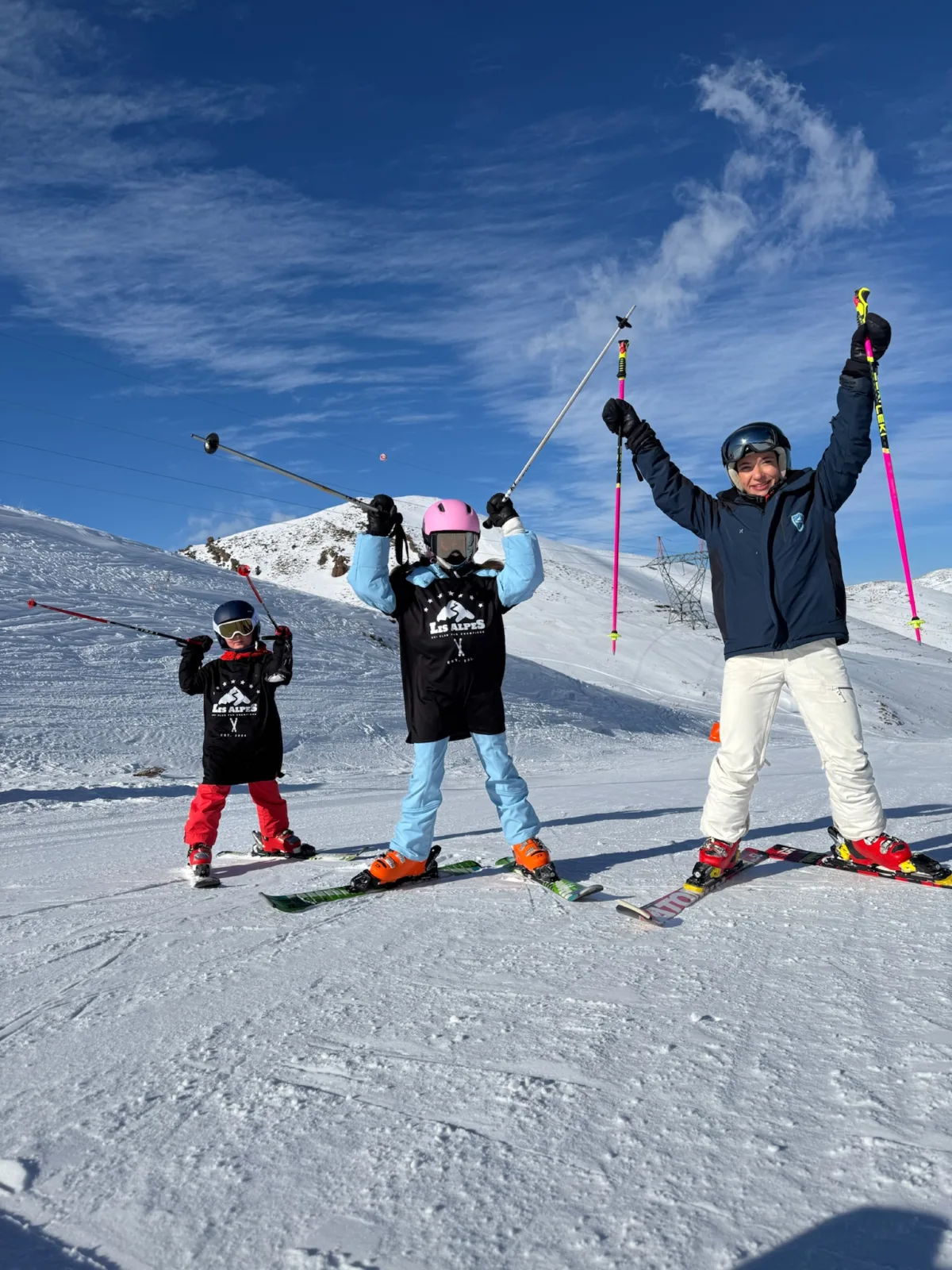

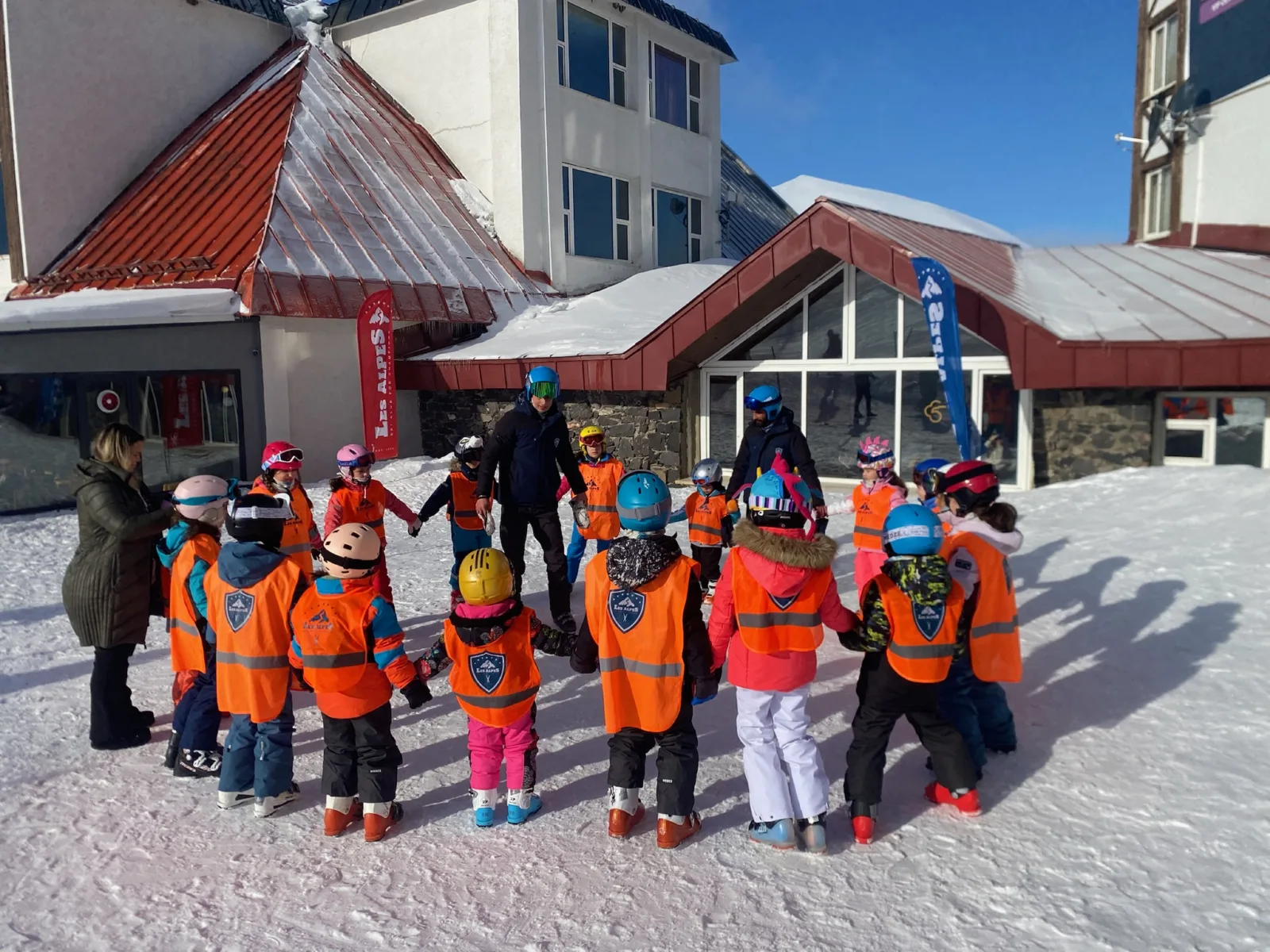
What families see from outside is the ski photography. The real flow inside camp brings together room allocation, equipment fitting, level assessment, rest and many small daily decisions. The outline below reflects the current 3-night/4-day domestic template in the panel. Times can change with weather, resort and travel conditions; the final camp briefing is authoritative.
Before camp begins
Age, ski experience, health notes, accommodation preference and contact details on the application are the team’s starting information. The package is checked on the camp detail page. The current domestic template includes accommodation, child ski pass, 12 hours of instruction, skis-boots-poles, certificate and Kids Club after skiing. Helmet, goggles and transport are not in the standard package.
Day 1: arrival, equipment and assessment
Hotel check-in, rooms and introductions happen around midday. The aim of the first hours is for children to understand the space, the team and each other. The group establishes a routine rather than rushing straight onto the slope.
During equipment fitting, skis, boots and poles are adjusted for each child. Boot fit is not only about shoe size; support and the child’s ability to manage the fastenings are also checked.
The 14:00–16:00 assessment observes stance, balance, braking, turn control and general confidence. Groups are formed from ability visible that day, not only a previously reported level. The next day is explained after dinner.
Day 2: building core technique
The day starts with breakfast and equipment preparation. The morning session covers stance, balance and braking; the afternoon moves into turns and run practice. Content changes by group: a Junior athlete progresses one-to-one through play, while an experienced group uses the same time for different technical goals.
Lunch and rest are not gaps in the programme. Dry clothing, hydration and observation of fatigue affect the quality of the second session. Kids Club after skiing creates room for play and social time.
Day 3: application on the run and video
Day three brings the skills from the first two days together on terrain suited to the group. Controlled repetition takes place in the morning. Technical work continues in the afternoon, with short video recordings.
During the review, children watch their own skiing. The purpose is not to “find faults” but to make one coaching cue visible. A position that is too far back or a turn that starts late can be easier to understand on screen. Use of images must follow the separate media consent given during registration.
Day 4: final session, mini course and review
The morning includes a final session and mini course. The mini course does not need to produce a race result; it gives the child a defined sequence in which to apply what they have learned.
The certificate ceremony and progress review take place around midday. A certificate is not automatically proof of moving up a level. The useful information is which outcomes the child showed, what still needs work and where the next programme should begin. Check-out completes the day.
Work parents do not see during a camp day
- Rechecking weather, visibility, wind and open terrain each morning
- Checking boot, binding, helmet and goggle fit
- Monitoring dry clothing, hydration and fatigue
- Adjusting route and repetitions for speed differences within the group
- Sharing medical and support information with the necessary team members
- Carrying technical observations into the next session
What information should you keep after camp?
Keep the progress review, equipment sizes and the coach’s next-step recommendation. Sharing these at the next registration does not replace the first-day assessment, but it gives the coach valuable starting context.
This is the standard domestic template. Meals, transfers and slope times can differ by date, hotel and destination. The current and binding information is always the selected camp detail page and the pre-camp briefing.