Skip to content
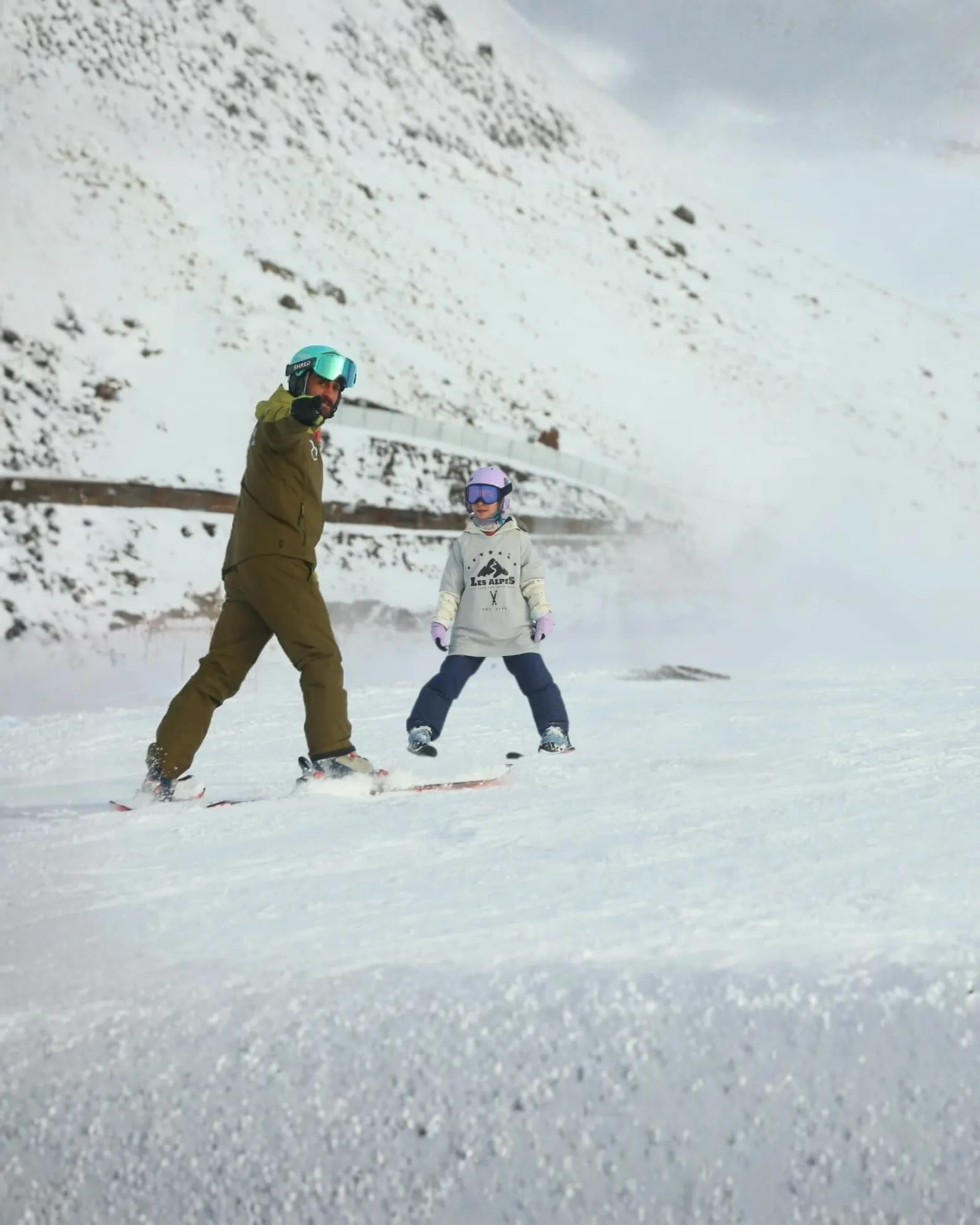
It is one of the cornerstones of modern pedagogy that children discover their own limits by acquiring new skills in the heart of nature for their physical, mental and social development. Les Alpes, kids ski camp With its programs, it not only offers young athletes a technical sports training, but also lays the foundations of an unshakable self-confidence that will accompany them throughout their lives. Moving away from the digital addiction of the modern world and the restricted spaces of city life, children discover their own potential on the snow and embark on a unique adventure that strengthens their character development and prepares them for the future. With our professional staff and safe training methods, we aim to bring out the hero in every child.
Kids ski camp programs are a journey of personal triumph that begins with a child learning to balance on a slippery and unfamiliar surface that they have never experienced before, and culminates in a successful descent down complex tracks. Acquiring a new skill triggers the release of dopamine in children, reinforcing the belief that “I can do this” and directly and permanently increasing their overall self-confidence. This sense of accomplishment does not only stay on the bottom line; it is also reflected as positive energy in the child's studies, social relationships and problem-solving skills.
Development in skiing consists of a series of small steps. Les Alpes In the education model, these steps shape character in the following way:
Separated from his family kids ski camp An individual who enters the atmosphere of a group program develops a sense of independence in the healthiest way by taking full responsibility for managing their daily routines and needs. These programs maximize the child's sense of responsibility through processes such as protecting their own equipment, waking up on time, managing personal hygiene and adapting to group rules. Les Alpes we give them the opportunity to be the captain of their own ship while offering a safe harbor.
The basic life skills acquired by children during the camp can be listed as follows:
By its very nature, skiing is a dynamic process that involves falling, being shaken and getting up again; kids ski camp Every fall is actually a hidden and invaluable lesson that builds a child's psychological resilience. Accepting mistakes, learning from them and moving on without giving up is the most fundamental character trait required not only in snow, but throughout academic and professional life.
Les Alpes Every child who falls on the runways actually puts on this armor against future difficulties:
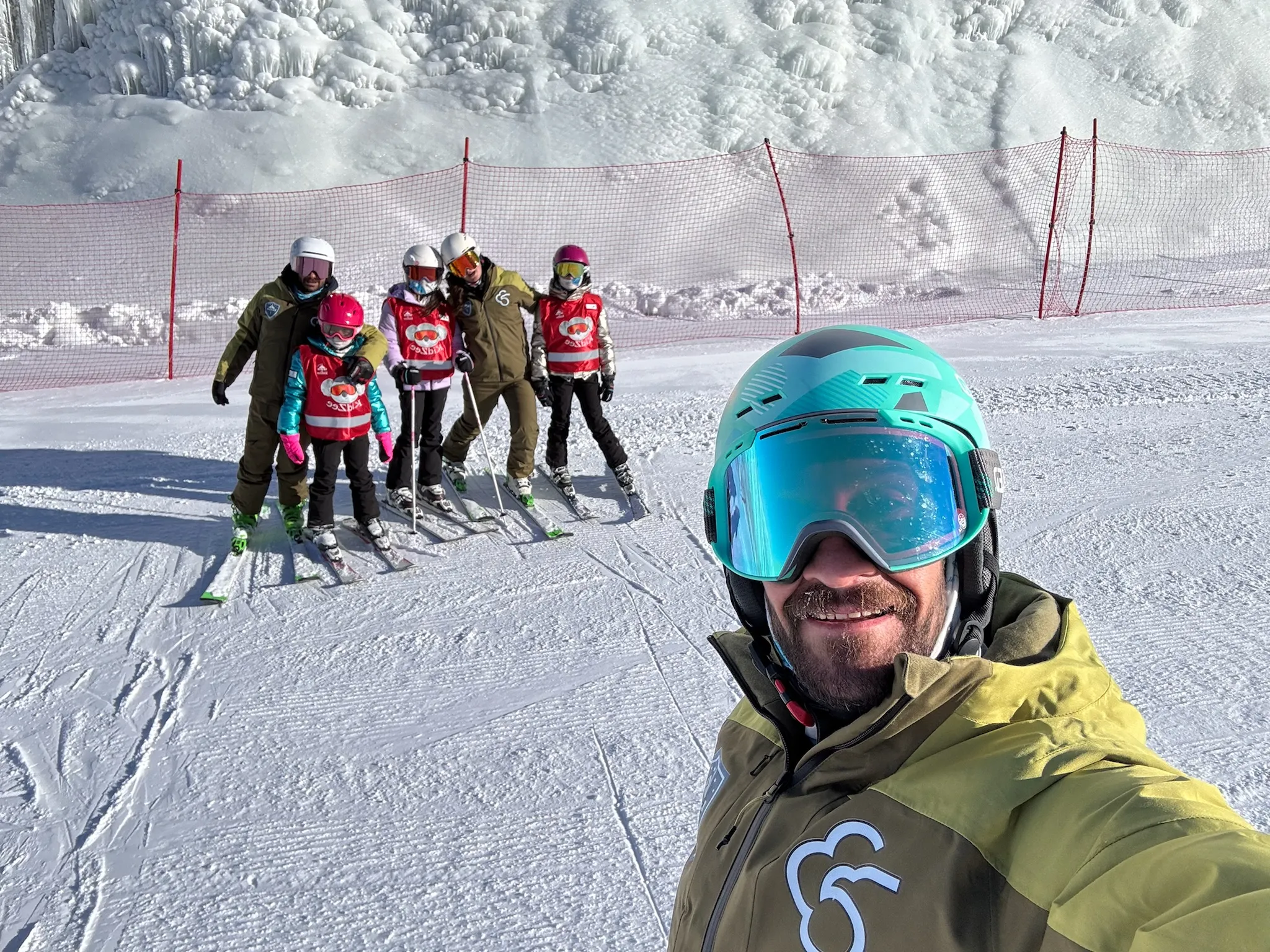
Although it looks like an individual performance sport skiing, kids ski camp blends great team spirit into its structure and teaches children how to exist healthily in complex social environments. Sharing the same challenges with their peers, standing against the wind together on the chairlift and sharing the day's adventures over dinner, children develop an early understanding of collective work and community awareness.
Group interaction provides children with the following advantages in social life:
Kids ski camp It shapes not only the character, but also the rapidly growing child's body. Skiing is one of the few sports that works almost every muscle group in the body.
Les Alpes we believe that children's preparation for camp is part of their education. As a parent, you can follow these steps:
Les Alpes kids ski camp For which age groups are the programs suitable?
Our camps are generally optimized for children and youth between the ages of 6 and 17. Considering the developmental characteristics of children (motor skills, social adaptation, etc.), groupings are made according to their levels in sub-divisions such as 6-9 years old, 10-13 years old and 14-17 years old.
Can my child attend the camp if he/she has never skied before?
Absolutely yes. Most of our programs are for “beginner” children. Our professional instructors will get your child skiing from scratch, starting with basic posture and safety rules.
What should children take with them to a ski camp?
They should bring thermal underwear, a waterproof and windproof ski jacket and pants, good quality ski socks, snow gloves, a neck brace (buff), a beanie and sunscreen with high protection. Technical equipment such as skis, boots, bindings and helmets Les Alpes facilities are available in their most modern form.
How is the safety and health of children monitored during the camp?
Safety is our top priority. Each training group consists of a maximum of 6-8 children and is led by a certified instructor. Wearing a helmet on the tracks is an uncompromising rule. There are also 24-hour supervisors in charge of the children and medical staff on standby for emergencies.
Do trainings continue when the weather conditions are very bad?
Track trainings are suspended when there is a storm or very low visibility that threatens safety. During these periods, theoretical sports trainings, mental preparation seminars or social development workshops (chess, drama, etc.) are organized indoors to ensure that children spend their time productively.
How are the meals organized in Les Alpes camps?
Our nutrition program is prepared by sports dietitians as we know that children spend high energy. We offer 3 main meals and snacks prepared with fresh and natural products with a balance of protein, carbohydrates and vitamins. Special menus are created for children with allergies.
Les Alpes under the umbrella of kids ski camp , is much more than a simple vacation or sports course. It is a “laboratory of life” where future adults transform their fears into courage, their physical decline into mental experience and their individual limitations into a strong character. If you want your child to grow up to be a self-confident individual who does not give up in the face of adversity, who can empathize and take responsibility for themselves, invite them to this transformative adventure in the snow. Les Alpes and the summit is not just a destination, but a character building process.