Skip to content

Ski Levels How to Determine? Development Model from Junior to Let's Race, Les Alpes Club is a systematic structure we have designed to make our children's educational journey transparent, measurable and motivating. Progress in skiing should be determined by specific milestones and technical competencies, not randomly. This model aims to maximize the potential of each child. Ski levels Determination of, is critical in planning the next steps for both the trainer and the learner.
A standardized leveling system is essential to ensure that children progress at the appropriate pace, work in groups that suit them and, most importantly, that they are safe. Being in a group at the wrong level can lead to loss of motivation or risk of injury. This system, ski development accelerates. You can find detailed information on our Education Levels page.
Ski Levels How is it Determined? The answer is usually based on four key criteria: speed control, turning mechanics, adaptation to snow conditions and track type mastery. These criteria become more difficult with each level pass and increase the technical expectations.
At beginner levels, the most important criterion is the ability to stop safely with the snow shovel position. At later levels, speed is expected to be managed dynamically, using the radius and rhythm of the turns. Safe stance, all skiing skills is its foundation.
A skier's level is measured not only by whether they ski on blue or red pistes, but also by how well they can adapt to different types of snow, such as ice, powder snow or moguls. Ski leveling process assesses all-round ability.
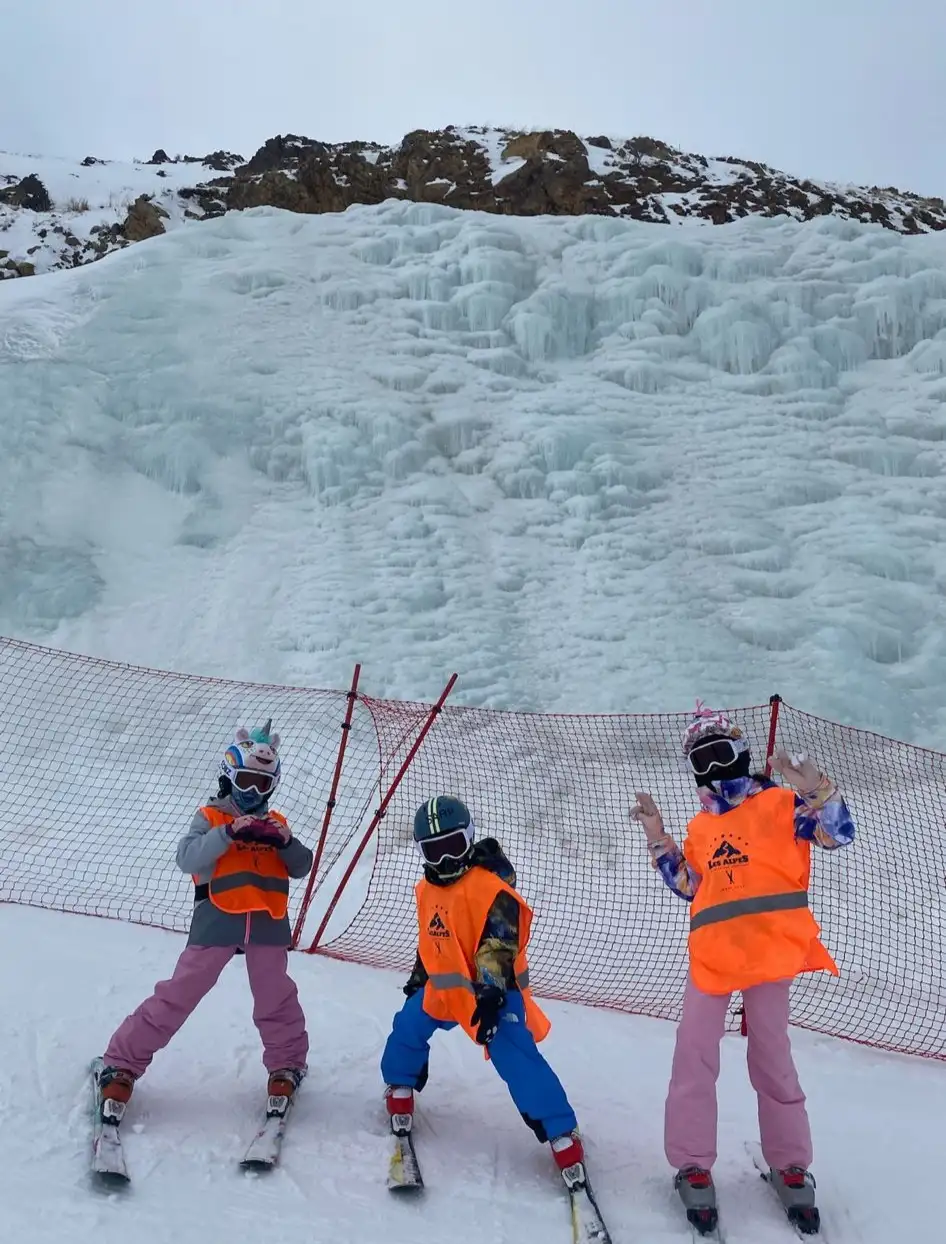
Junior is the stage where children between the ages of 4 and 10 acquire basic skiing skills and transition to parallel skiing technique. This level, Development Model for Let's Race and is the area where the pedagogical approach is used most intensively.
In this phase, children get acquainted with the equipment, glide flat on a gentle slope and learn basic snow shoveling posture. Fun and motivation are at the forefront. The goal is to feel comfortable and safe on the snow. This is the, ski lessons is the first and most fun step.
Children who reach Junior 3 should now be able to make controlled and slow parallel turns on most of the blue tracks. At this stage, the use of the baton begins and the correct transfer of the center of gravity in turns is taught. How to determine ski levels This is where the first serious technical answer to the question arises.
Children coming out of junior level and with technical competence, Performance group. This level, Development Model for Let's Race is the final stage of preparation and the focus is on technical details.
Performance level athletes learn high-speed carving turns that leave deep marks in the snow. They work on the rhythm, speed and angle of the turns. On the (difficult) red tracks they are expected to show high self-confidence and control. This is a, advanced skiing criteria is its foundation.
They are asked to be able to practice their technique not only on prepared pistes, but also in challenging conditions such as light powder snow, forest or moguls. This versatility develops the child's skiing intelligence and problem-solving ability.
Development Model for Let's Race, is the name of our club's program to train athletes for the racing teams. This stage requires not only technical competence but also physical fitness and mental discipline. How are Ski Levels Determined? is the pinnacle of the question.
Performance level Let's Race To pass, our children go through specific speed tests and technical track assessments. Excellent balance, aggressive edge handling and a strong stance are expected. During this process, we scrutinize our Race Team criteria in detail.
The transition to competition is more a mental transition than a technical one. Children are expected to have the motivation to cope with the pressure of competition, to recover quickly when they make mistakes and to constantly improve. Performance metrics, It involves not only time, but also consistency.
The level setting process should be objective and continuous. Long-term development trends are followed, rather than a single day or a single performance.
Our instructors constantly take note of the children's progress throughout the lessons. At the end of the semester, a detailed report is prepared, including the child's strengths and areas for improvement. These reports, ski development steps materializes.
Especially Performance and Let's Race levels, video analysis is mandatory. The child's belt angle, body position and use of the center of gravity are technically measured. This scientific approach eliminates personal bias and ensures objective ski leveling provides.
Development Model for Let's Race athletes who enter the race team are now prepared for national and international competition. Training focuses on specific disciplines and high-intensity training.
Race team members train between the Slalom (SL) and Grand Slalom (GS) gates to improve their reaction speed and turning precision. These trainings, endurance and technical discipline are at their peak.
When raising a racing athlete, the emphasis is not on short-term achievements, but on a program suitable for the physiological and psychological development of the child. Junior to Let's Race The whole process is based on building a sustainable career for the athlete until their 20s. For more information about our club and our athletes, you can check our About Us page.