Skip to content

Ski Training for Children: Safe Beginner to Advanced Guide is one of the core missions of the Les Alpes Club. Skiing is a sport that blends discipline, coordination and courage. In this process, our top priority is that children feel safe and enjoy learning. The quality of the training directly affects the child's enjoyment and long-term development in sport. This guide is designed for children from beginner to professional competition levels. ski training explains in detail how it should proceed.
Our philosophy is to train children's minds, not just their legs. Ski Training for Children Our programs focus on game-based learning techniques and positive reinforcement. This approach accelerates children's learning process and strengthens their commitment to sports. For more details, you can check our Club Philosophy page.
Safe start, is the first and most critical step in all successful ski careers. The aim is to introduce children to the snow, the equipment and the feeling of movement. The first hours of ski lessons are all about anxiety relief and fun. Providing a safe environment, ski training is a pillar.
At beginner level, children first practice walking, balancing and sliding on a gentle slope with ski boots and skis. The first technique taught is the ‘snow shovel’ (or pizza) position, which allows speed control and makes it possible to stop. This is the, safe ski start is the key.
In the beginning, falls are inevitable. Our instructors teach children how to fall correctly and safely and how to get up again without getting tired. This skill not only prevents physical injuries but also helps children overcome the fear of failure. Ski Training for Children mental resilience also develops in the process.
Once children have mastered the snow shovel technique and learned to stand safely, they move on to basic control and steering. At this level, the basics of turns are laid and the use of light lifts is taught. Guide to advanced level to be a good citizen, these basic skills need to be in place.
The main goal of this phase is to gradually bring the skis parallel to each other in turns. Instructors demonstrate the correct transfer of body weight and edge pressing techniques. This transition, ski performance plays a big role in its increase.
Children are expected to be able to control their speed independently on different slopes and snow conditions. By spending longer periods of time on the blue tracks (medium ease) balance and coordination skills are reinforced. For more information about the trainings, please see our Training Levels page.
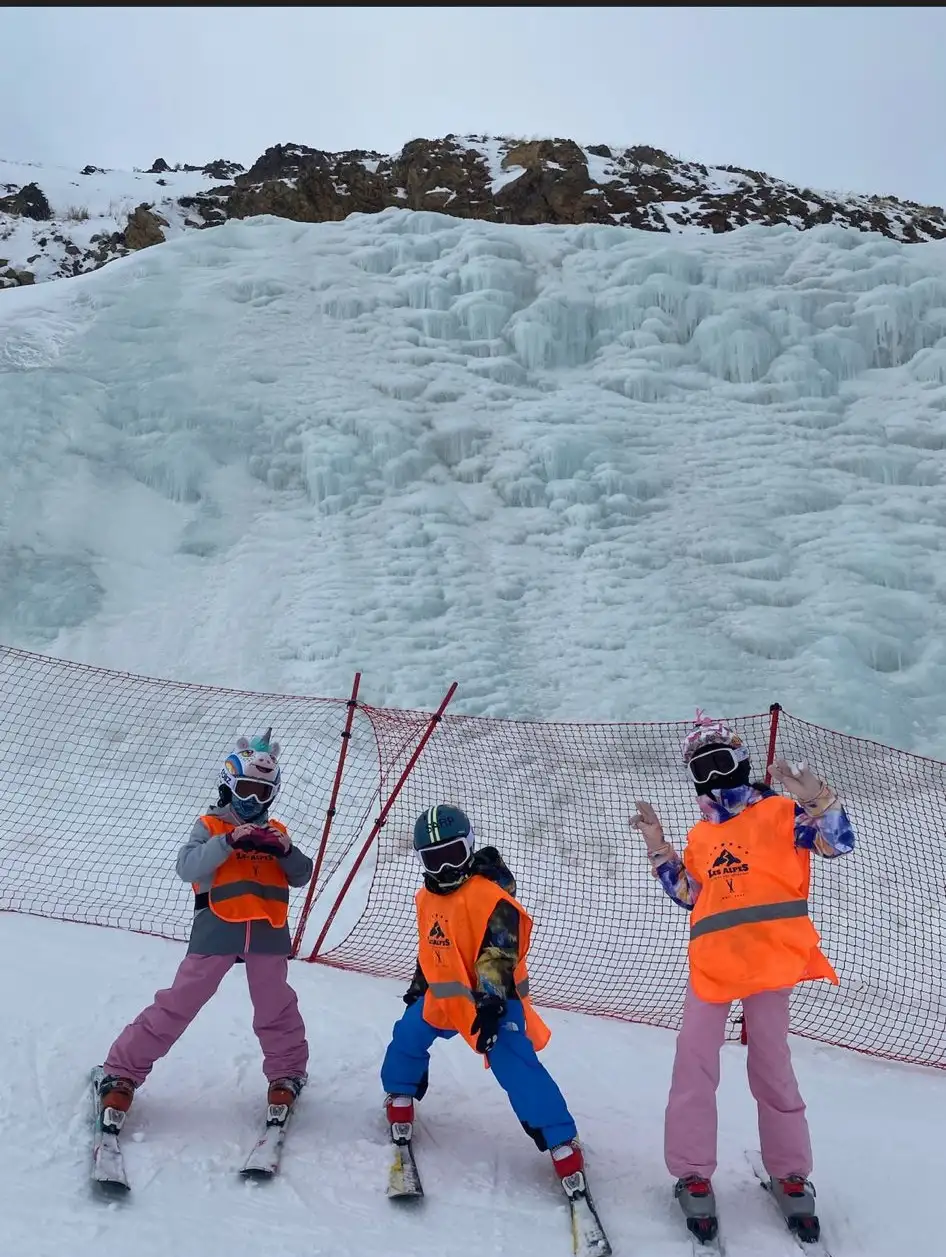
They can now hold skis parallel, use a baton and ski on intermediate pistes comfortably, guide to advanced level technical perfection. At this level, more dynamic and efficient belting techniques are taught.
The most important technique at advanced level is the carving turn. Carving turns use the edges of the skis to turn at high speed with minimal resistance. At the same time, the focus is on short turn techniques that allow speed management on steep slopes. Development model accelerates at this point.
Skating skills are developed in challenging and changing conditions such as powder snow, icy conditions or melted snow. This adaptation allows children to move confidently on all kinds of pistes and skiing skills is complementary.
Ski Training for Children process utilizes modern technology to detect and correct technical errors. Video analytics is a vital tool in the personalization of training.
Children recognize technical mistakes faster when they watch their own belts from the outside. Video analysis allows the trainer's verbal instructions to be supported by visual evidence. This method, ski performance on a scientific basis.
Every child has a different learning style and physical structure. Based on the results of the video analysis, the trainers identify targeted exercises and drills specific to each student. This professional ski training approach ensures maximum efficiency.
Safe Beginner to Advanced Guide Another critical pillar is the teaching of piste safety and ski ethics. Respect and responsibility on the mountain is an integral part of the training.
Children are taught in detail the 10 basic piste rules set by the International Ski Federation (FIS). The focus is on priority, careful skiing, choice of stopping place and responsibility towards other skiers. Safe skiing it starts with compliance with these rules.
Respecting the mountain ecosystem is one of the core values that our club instills. Teaching our children the awareness of environmental protection and sustainability while practicing winter sports his passion for skiing puts it in a broader framework.
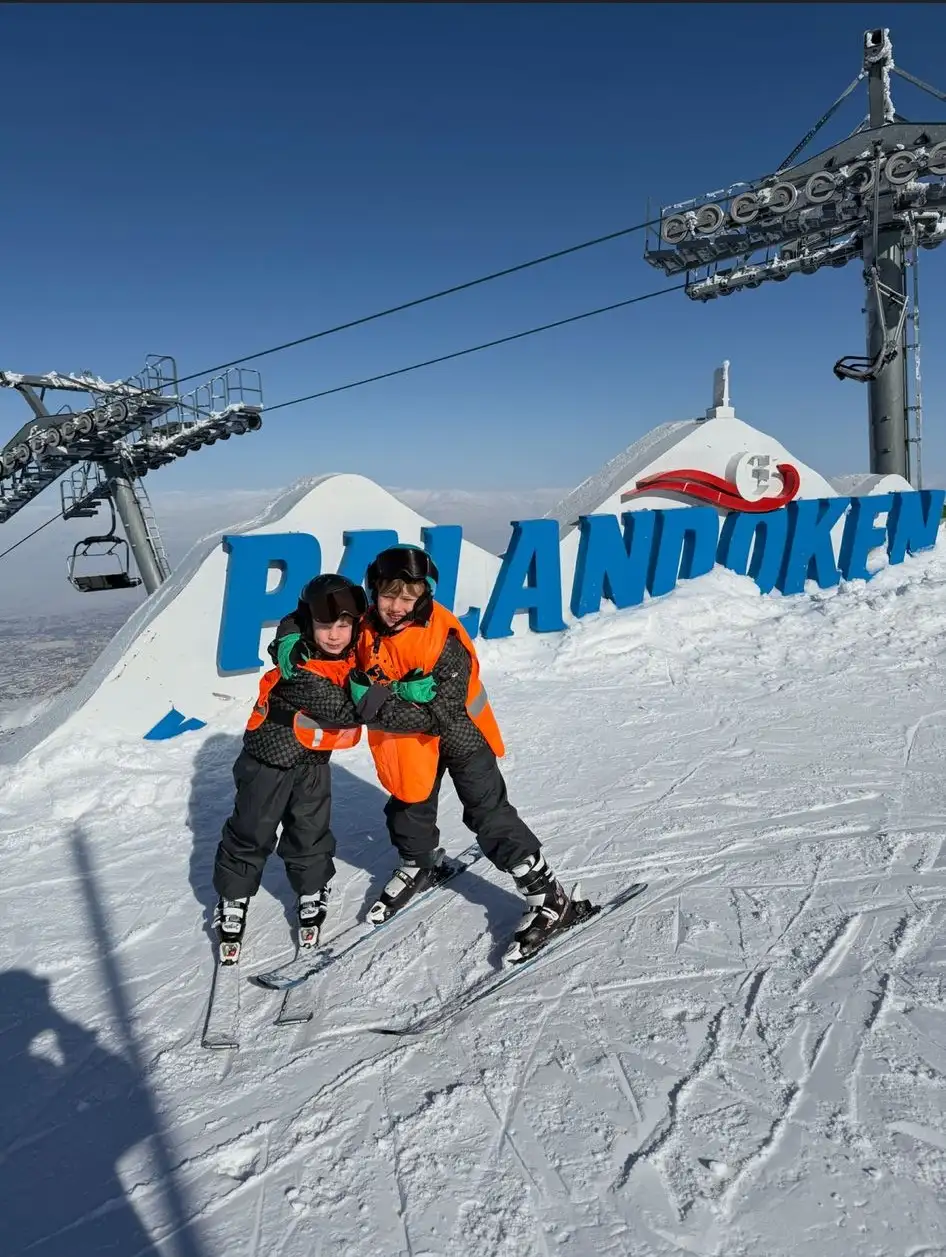
Ski training not only teaches children how to ski on snow, but also contributes greatly to their overall psychomotor development. Coordination, balance and body awareness reach their peak in this process.
The constantly changing snow surface requires children to make instantaneous balance adjustments. This challenges and improves brain-muscle coordination. Regular ski lessons, makes these skills permanent.
On fast gradients and challenging tracks, children have to make decisions in as little as a tenth of a second. These decision-making processes sharpen their cognitive speed and practical intelligence. Ski Training for Children in this respect, it provides life skills.
Children who show superior talent during the training process are directed to the race team level. Guide to advanced level trainings make this transition possible.
Athletes who are candidates for the race team start gate training and concentrate on specific disciplines (Slalom, Grand Slalom). This stage requires high physical fitness and mental toughness is required. For information about our performance development programs, please visit our Race Programs page.
Our training system is based on the Long Term Athletic Development (LAD) model to ensure the sustainable development of child athletes. This means that instead of immediate success, healthy and aims for a long-lasting sports career. Ski Training for Children, is an investment in the future.